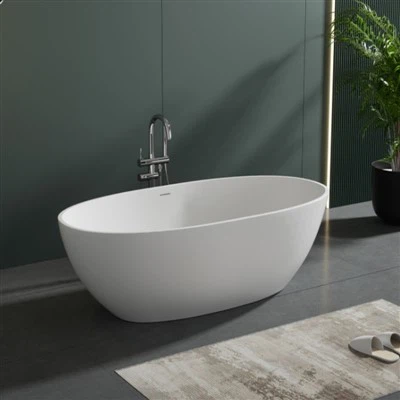
Adding jets to a bathtub can transform an ordinary bathing experience into a luxurious spa - like retreat. As a supplier of concrete bathtubs, I often get asked the question: "Can I add jets to a concrete bathtub?" In this blog post, I'll explore the feasibility, considerations, and potential benefits of adding jets to a concrete bathtub.
Feasibility of Adding Jets to a Concrete Bathtub
The short answer is yes, it is possible to add jets to a concrete bathtub. However, it's not as straightforward as it might seem with other materials like acrylic or fiberglass. Concrete is a dense and heavy material, which presents both challenges and opportunities when it comes to jet installation.
One of the main challenges is the process of creating the necessary holes for the jets. Unlike softer materials, drilling into concrete requires specialized tools and techniques. You need to use a diamond - tipped drill bit to ensure a clean and precise hole without cracking or damaging the bathtub. This is a task that should be carried out by a professional with experience in working with concrete.
Another aspect to consider is the structural integrity of the bathtub. Jets create a significant amount of pressure when in operation. The concrete bathtub must be able to withstand this pressure without developing cracks or leaks. Before installing jets, it's crucial to assess the strength and thickness of the concrete. A bathtub that is too thin or has existing structural weaknesses may not be suitable for jet installation.


Types of Jets Suitable for Concrete Bathtubs
There are several types of jets that can be considered for a concrete bathtub. Air jets are a popular choice. These jets work by injecting air into the water, creating a gentle bubbling effect. They are relatively easy to install compared to water jets and put less stress on the bathtub structure. Air jets are also energy - efficient and can provide a relaxing massage experience.
Water jets, on the other hand, use a pump to force water through the jets at high pressure. They offer a more intense massage but require a more complex installation process. Water jets need a dedicated plumbing system to supply water to the jets, which means additional work is needed to integrate them into the existing plumbing of the bathtub.
Benefits of Adding Jets to a Concrete Bathtub
Adding jets to a concrete bathtub can bring numerous benefits. Firstly, it enhances the bathing experience. The massaging action of the jets can help to relieve muscle tension, reduce stress, and improve blood circulation. Whether you've had a long day at work or you're recovering from an intense workout, a soak in a bathtub with jets can be incredibly therapeutic.
Secondly, it adds value to your bathroom. A concrete bathtub with jets is a luxurious feature that can increase the overall appeal and market value of your home. It's a unique selling point that sets your bathroom apart from others.
Installation Process
The installation process for adding jets to a concrete bathtub involves several steps. First, as mentioned earlier, the holes for the jets need to be drilled. This should be done with precision to ensure a proper fit for the jets. Next, the plumbing system for the jets needs to be installed. If you're using water jets, this may involve connecting the jets to a pump and the main water supply.
Once the plumbing is in place, the jets are installed into the holes. They need to be sealed properly to prevent leaks. After the jets are installed, the bathtub should be filled with water and the jets tested to ensure they are working correctly.
Maintenance Considerations
Maintaining a concrete bathtub with jets requires some extra care. The jets can become clogged with debris over time, which can affect their performance. Regular cleaning of the jets is essential. You can use a mild cleaning solution and a soft brush to remove any build - up.
The water in the bathtub should also be treated properly to prevent the growth of bacteria and mold. Using a good quality water treatment product can help to keep the water clean and the jets in good working condition.
Conclusion
In conclusion, adding jets to a concrete bathtub is a viable option that can bring a touch of luxury and functionality to your bathroom. However, it's important to approach the process with caution. Ensure that the bathtub is structurally sound, choose the right type of jets, and have the installation carried out by a professional.
If you're interested in exploring the option of adding jets to a concrete bathtub, or if you're looking to purchase a Freestanding Stone Bathtub, Concrete Soaking Tub, or Concrete Tub, I'd be more than happy to assist you. Feel free to reach out to discuss your specific needs and requirements. We can work together to create the perfect bathing solution for your home.
References
- "Concrete Construction Handbook" by Edward G. Nawy
- "Bathtub Design and Installation Guide" by Bathroom Design Institute