


Hey there, plant lovers! If you've ever stood in front of your plant collection, scratching your head over the perfect container, you're in the right place. Today, I'm diving deep into the question on everyone's mind: Can I use a concrete tray for plants? As a concrete tray supplier, I've seen firsthand how these trays can transform your plant game, and I'm excited to share all the ins and outs with you.
Let's start with the basics. Concrete trays are sturdy, stylish, and come in all shapes and sizes. Whether you're into the sleek look of a Concrete Bathroom Tray or the classic charm of a Round Concrete Tray, there's a concrete tray out there for every plant and every decor style.
One of the biggest advantages of using a concrete tray for plants is durability. Unlike flimsy plastic trays that crack and fade over time, concrete trays are built to last. They can withstand the weight of heavy potted plants, resist damage from water and sunlight, and maintain their shape and color for years to come. This means you won't have to worry about replacing your plant trays every few months, saving you time and money in the long run.
Another great thing about concrete trays is their versatility. You can use them indoors or outdoors, depending on your needs. Indoors, they add a touch of sophistication to your living room, bedroom, or kitchen. Place a Decorative Tray on your coffee table and fill it with succulents or small herbs for a pop of greenery. Outdoors, concrete trays are perfect for your patio, balcony, or garden. They can hold larger potted plants and protect your surfaces from water damage and stains.
But what about drainage? This is a common concern when it comes to using concrete trays for plants. After all, proper drainage is essential for the health of your plants. The good news is that concrete trays can be designed with drainage holes or used with a layer of gravel or rocks at the bottom to ensure excess water can escape. If you're using a concrete tray without drainage holes, make sure to water your plants sparingly and empty any standing water from the tray after watering.
In addition to drainage, you'll also need to consider the size of your concrete tray. Make sure it's large enough to accommodate the root system of your plant, but not so large that it overwhelms the plant or takes up too much space. A general rule of thumb is to choose a tray that's about 2-3 inches wider and deeper than the pot your plant is in.
Now, let's talk about the aesthetic appeal of concrete trays. There's something undeniably stylish about the raw, industrial look of concrete. It adds a modern and contemporary touch to any space, making it a popular choice for interior designers and plant enthusiasts alike. Whether you prefer a smooth, polished finish or a rough, textured look, concrete trays can be customized to suit your preferences and complement your existing decor.

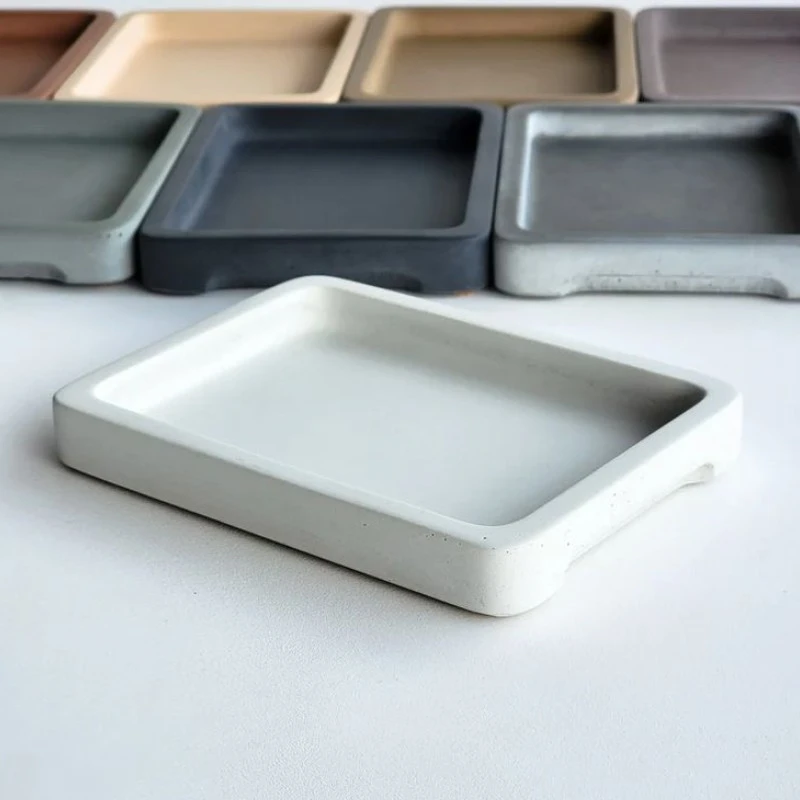
Not only are concrete trays visually appealing, but they also offer a unique opportunity for creativity. You can paint, stain, or stencil your concrete trays to add a personal touch and make them stand out. You can also use them in combination with other materials, such as wood or metal, to create a mixed-media look that's truly one-of-a-kind.
So, can you use a concrete tray for plants? The answer is a resounding yes! With their durability, versatility, and aesthetic appeal, concrete trays are an excellent choice for plant containers. Whether you're a seasoned plant parent or just starting out, a concrete tray can help you create a beautiful and healthy environment for your plants.
If you're interested in purchasing concrete trays for your plants, get in touch with me. I'd love to discuss your needs and help you find the perfect trays for your collection. Whether you're looking for a single tray or a bulk order, I'm here to assist you every step of the way.
References
- "Gardening Basics: Choosing the Right Plant Containers." Gardening Know How.
- "Concrete in Landscape Design: Benefits and Considerations." Landscape Architecture Magazine.


