Hey there! I'm a supplier of bathtub faucets, and I often get asked about how to install a bathtub faucet aerator. It might seem like a tricky task, but trust me, with a bit of guidance, you can do it yourself. In this blog, I'll walk you through the whole process step by step.
First off, let's talk about what a bathtub faucet aerator is and why it's important. An aerator is a small device that screws onto the end of your faucet. It mixes air with the water flowing out of the faucet, which has a few benefits. For one, it can make the water flow feel softer and more pleasant. It also helps to reduce splashing, which is a real plus when you're filling up your tub. And on top of that, it can save water by reducing the flow rate without sacrificing the overall experience.
Before you start the installation process, you'll need to gather a few tools. You'll need an adjustable wrench, a pair of pliers, and some Teflon tape. The adjustable wrench will come in handy for loosening and tightening the aerator, while the pliers can be used to hold things steady if needed. The Teflon tape is used to create a watertight seal, which is crucial to prevent any leaks.
Now, let's get started with the installation. The first step is to turn off the water supply to your bathtub faucet. You can usually find the shut - off valves under the sink or near the bathtub. Turning off the water is really important to avoid any messy spills while you're working.
Once the water is off, take a look at the end of your bathtub faucet. You'll notice that there's a small device already attached to it. This is likely the old aerator. To remove it, you'll use your adjustable wrench. Grip the aerator firmly with the wrench and turn it counter - clockwise. Sometimes, the aerator can be really tight, especially if it hasn't been changed in a long time. If it's too difficult to turn with the wrench, you can use the pliers to get a better grip. Just be careful not to scratch the faucet while you're doing this.
After you've removed the old aerator, take a close look at it. You might notice that it's dirty or clogged with mineral deposits. This is a common problem, especially in areas with hard water. If your old aerator is in bad shape, it's definitely time for a new one.
Now, it's time to prepare the new aerator. Take the Teflon tape and wrap it around the threads of the faucet where the aerator will be attached. Make sure to wrap it in a clockwise direction, and do about 3 - 4 wraps. The Teflon tape will help to create a tight seal and prevent any water from leaking out.
Next, take your new aerator and screw it onto the end of the faucet. Turn it clockwise by hand until it's snug. Then, use the adjustable wrench to give it a final tightening. You don't want to over - tighten it, though, as this can damage the aerator or the faucet. Just make sure it's tight enough to prevent leaks.
Once the aerator is installed, it's time to turn the water supply back on. Slowly open the shut - off valves and let the water flow through the faucet. Check for any leaks around the aerator. If you see any water dripping, you might need to tighten the aerator a bit more.
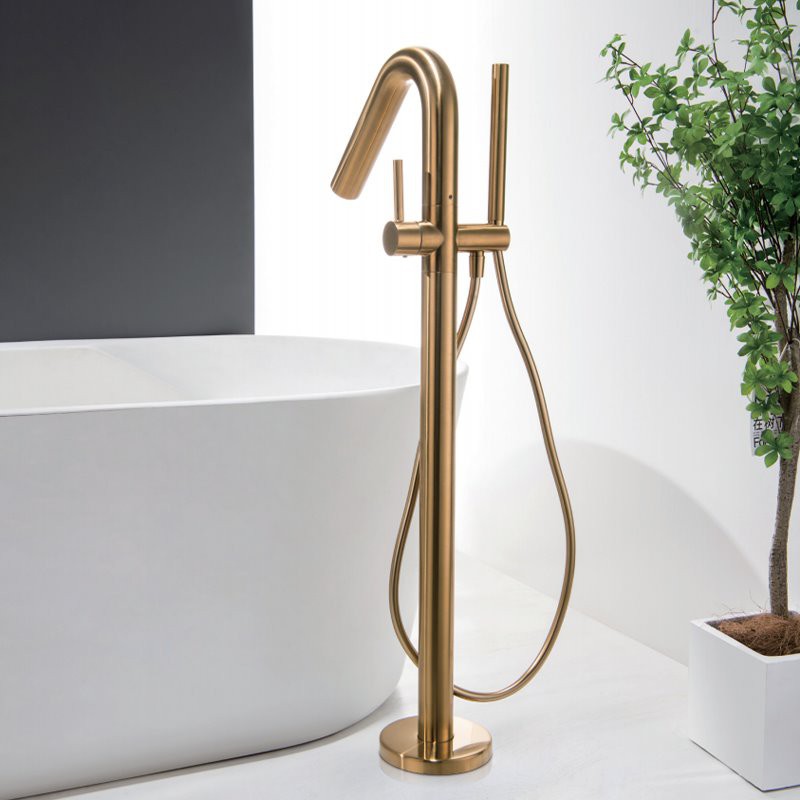
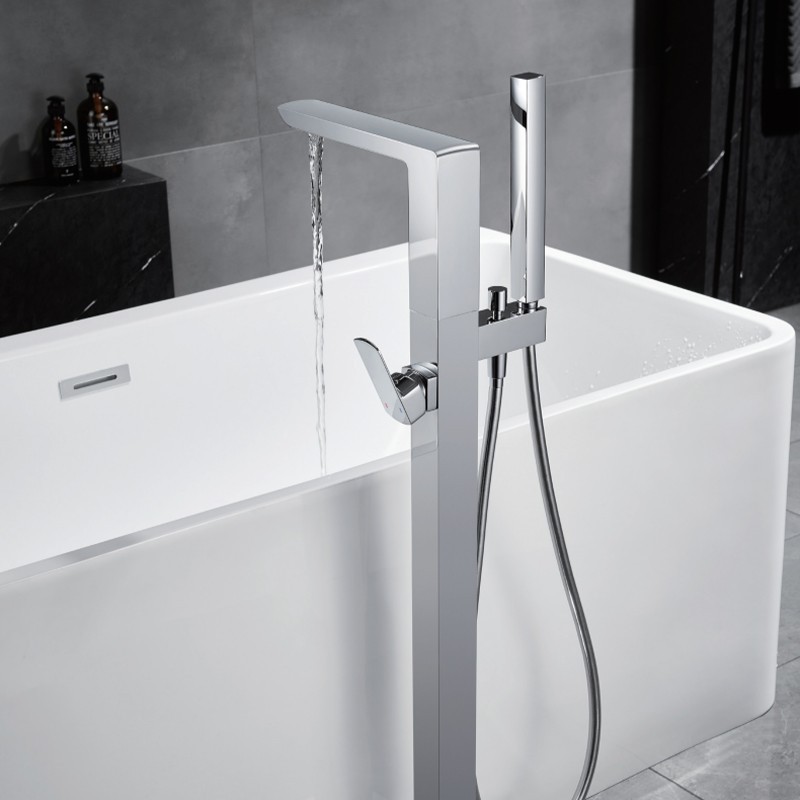
If you're in the market for a new bathtub faucet, we've got a great selection. Check out our Bathtub Tap, which comes in a variety of styles and finishes to match any bathroom decor. Our Waterfall Bathtub Faucet is a popular choice, offering a unique and elegant look. And for those who prefer a more traditional style, our Freestanding Bath Taps are a great option.
Installing a bathtub faucet aerator is a relatively simple task that can make a big difference in your bathing experience. Not only does it improve the water flow, but it can also save you some money on your water bill in the long run.
If you're interested in purchasing our bathtub faucets or have any questions about the installation process, don't hesitate to reach out. We're here to help you make the best choice for your bathroom. Whether you're a DIY enthusiast or just looking for a high - quality product, we've got you covered.
References
- Home Improvement Handbook: A Guide to Bathroom Fixtures
- Plumbing Basics for Beginners