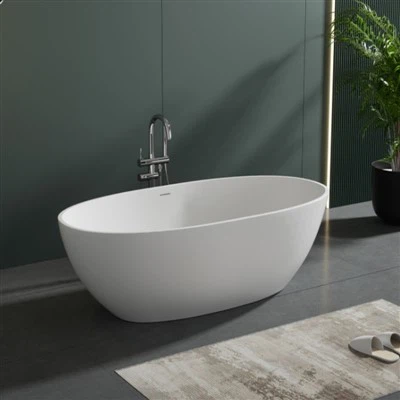
Hey there! As a supplier of concrete wash basins, I've heard a ton of questions from customers over the years. One of the most common issues that pops up is dealing with limescale on these basins. Limescale can make your shiny new Concrete Bathroom Sink look dull and dirty, not to mention it can be a real pain to clean. But don't worry, I'm here to share some effective ways to get rid of that pesky limescale and keep your concrete wash basin looking great.


What is Limescale and Why Does It Form?
First things first, let's talk about what limescale is. Limescale is basically a hard, chalky deposit that forms when water with high mineral content evaporates. In areas with hard water, minerals like calcium and magnesium are dissolved in the water. When the water dries up in your 【MB-1024】Cement Wash Basin, these minerals are left behind, creating that white, crusty buildup we all hate.
Concrete wash basins are particularly prone to limescale because concrete is a porous material. The tiny pores in the concrete can trap the minerals, making it even harder to remove the limescale once it's formed. But with the right approach, you can keep your basin looking as good as new.
DIY Limescale Removal Methods
Vinegar
Vinegar is a natural and effective cleaner that can work wonders on limescale. It's acidic, which helps to break down the mineral deposits. Here's how you can use it:
- Dilute the vinegar: Mix equal parts of white vinegar and water in a spray bottle.
- Spray the basin: Thoroughly spray the affected areas of your 【MB-003】round Wash Basin Concrete with the vinegar solution. Make sure to cover all the limescale spots.
- Let it sit: Allow the solution to sit on the limescale for at least 30 minutes. For stubborn deposits, you can leave it overnight.
- Scrub and rinse: Use a soft brush or sponge to gently scrub the limescale away. Then, rinse the basin thoroughly with water.
Lemon Juice
Lemon juice is another natural alternative. It contains citric acid, which can dissolve limescale. Here's how to use it:
- Cut a lemon in half: Rub the cut side of the lemon directly onto the limescale. You can also squeeze the lemon juice into a bowl and use a cloth to apply it to the affected areas.
- Let it work: Leave the lemon juice on the limescale for about 15 - 20 minutes.
- Scrub and clean: Use a soft brush to scrub the limescale, then rinse the basin well.
Baking Soda
Baking soda is a mild abrasive that can help to remove limescale without scratching the concrete. Here's what you need to do:
- Make a paste: Mix baking soda with a little water to form a thick paste.
- Apply the paste: Spread the paste over the limescale using a sponge or your fingers.
- Scrub gently: Use a soft brush to scrub the paste into the limescale. Be careful not to scrub too hard, as you don't want to damage the concrete.
- Rinse thoroughly: Once the limescale is removed, rinse the basin with water.
Commercial Limescale Removers
If the DIY methods don't work or if you have a severe limescale problem, you can try using a commercial limescale remover. There are many products available on the market specifically designed to remove limescale from various surfaces, including concrete.
When choosing a commercial cleaner, make sure to read the label carefully. Look for a product that is safe to use on concrete and follow the instructions provided. Some commercial cleaners can be quite strong, so it's important to use them in a well - ventilated area and wear gloves to protect your hands.
Preventing Limescale Build - Up
Prevention is always better than cure. Here are some tips to help you prevent limescale from building up on your concrete wash basin:
- Wipe the basin dry: After each use, use a dry cloth to wipe the basin dry. This will prevent water from evaporating and leaving behind mineral deposits.
- Use a water softener: If you have hard water, consider installing a water softener. This will reduce the amount of minerals in the water, making it less likely for limescale to form.
- Regular cleaning: Clean your basin regularly with a mild cleaner. This will help to remove any small amounts of limescale before they become a big problem.
Maintaining Your Concrete Wash Basin
Once you've removed the limescale and taken steps to prevent its return, it's important to maintain your concrete wash basin properly. Here are some additional tips:
- Avoid using harsh chemicals: Harsh chemicals can damage the concrete and make it more porous, which can lead to more limescale buildup. Stick to mild, natural cleaners.
- Seal the basin: Consider sealing your concrete wash basin. A good sealant will make the surface less porous and more resistant to limescale and other stains.
- Inspect regularly: Check your basin regularly for any signs of limescale or damage. Catching problems early can save you a lot of time and effort in the long run.
In conclusion, dealing with limescale on a concrete wash basin doesn't have to be a nightmare. With the right methods and a little bit of maintenance, you can keep your basin looking beautiful for years to come. Whether you're using a DIY solution or a commercial cleaner, the key is to be consistent and take preventive measures.
If you're in the market for a new concrete wash basin or have any questions about our products, we'd love to hear from you. Contact us to start a purchase negotiation and find the perfect wash basin for your needs.
References
- "Cleaning and Maintenance of Concrete Surfaces" - Home Maintenance Guide
- "The Chemistry of Limescale and Its Removal" - Science in Everyday Life Journal