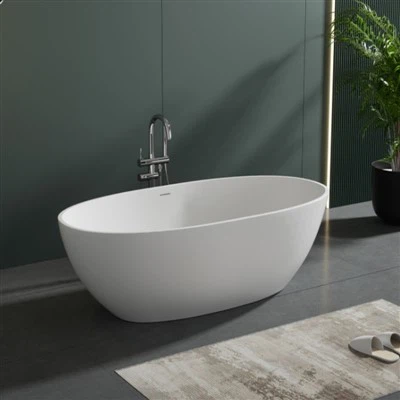
Is a concrete tub safe for plants?
As a supplier of concrete tubs, I often get asked whether these sturdy containers are safe for plants. It's a valid question, considering that plants are sensitive to their growing environment, and the materials they come into contact with can have a significant impact on their health and growth. In this blog post, I'll delve into the safety aspects of using concrete tubs for plants, exploring both the potential benefits and drawbacks.
The Composition of Concrete
To understand whether concrete tubs are safe for plants, it's essential to first understand what concrete is made of. Concrete is a composite material composed primarily of cement, aggregates (such as sand and gravel), and water. When these ingredients are mixed together, a chemical reaction called hydration occurs, which causes the concrete to harden and form a solid mass.
Cement, the binding agent in concrete, is made from limestone, clay, and other minerals that are heated at high temperatures to produce a substance called clinker. The clinker is then ground into a fine powder and mixed with gypsum to create cement. While cement is an essential component of concrete, it can also be a source of potential problems for plants.
Potential Concerns with Concrete Tubs
One of the main concerns with using concrete tubs for plants is the high pH level of concrete. Cement is alkaline, and when it comes into contact with water, it can release calcium hydroxide, which can raise the pH of the soil or growing medium in the tub. Most plants prefer a slightly acidic to neutral pH range (around 6.0 to 7.0), and a high pH can make it difficult for them to absorb nutrients from the soil.
In addition to the high pH, concrete can also leach other substances into the soil, such as salts and heavy metals. These substances can accumulate over time and potentially harm the plants. For example, excessive salt levels can cause water stress in plants, making it difficult for them to take up water and nutrients. Heavy metals, such as lead and cadmium, can be toxic to plants and can also pose a risk to human health if they are absorbed by the plants and consumed.
Benefits of Using Concrete Tubs
Despite the potential concerns, there are also several benefits to using concrete tubs for plants. One of the main advantages is their durability. Concrete is a strong and long-lasting material that can withstand the elements and the weight of the plants and soil. This makes it an ideal choice for outdoor planters, especially in areas with harsh weather conditions.
Concrete tubs also have good insulation properties, which can help to regulate the temperature of the soil and protect the plants from extreme heat or cold. This can be particularly beneficial for plants that are sensitive to temperature fluctuations, such as tropical plants.
Another benefit of using concrete tubs is their versatility. They come in a variety of shapes, sizes, and designs, which allows you to choose a tub that complements your garden or outdoor space. You can also customize the appearance of the tub by painting it or adding decorative elements.
Mitigating the Risks
If you're considering using concrete tubs for your plants, there are several steps you can take to mitigate the potential risks. One of the most important things you can do is to prepare the tub properly before planting. This involves soaking the tub in water for several days to leach out any excess salts and alkalis. You can also line the tub with a plastic liner or a layer of landscaping fabric to prevent direct contact between the soil and the concrete.


Another way to reduce the risk of high pH levels is to use a soil mix that is specifically formulated for acid-loving plants. These soil mixes typically contain organic matter, such as peat moss or compost, which can help to lower the pH of the soil. You can also add sulfur or other acidifying agents to the soil to further adjust the pH.
It's also important to monitor the pH and nutrient levels of the soil regularly and to make adjustments as needed. You can use a soil testing kit to measure the pH and nutrient levels of the soil, and then add fertilizers or other amendments to correct any imbalances.
Conclusion
In conclusion, concrete tubs can be a safe and practical choice for growing plants, but it's important to take the necessary precautions to ensure the health and well-being of your plants. By understanding the potential risks and taking steps to mitigate them, you can enjoy the benefits of using concrete tubs in your garden or outdoor space.
If you're interested in purchasing a concrete tub for your plants, we offer a wide range of options, including Freestanding Stone Bathtub, Concrete Soaking Tub, and Concrete Freestanding Tub. Our tubs are made from high-quality materials and are designed to provide a durable and attractive home for your plants.
If you have any questions or would like to learn more about our products, please don't hesitate to contact us. We'd be happy to help you find the perfect concrete tub for your needs.
References
- Brady, N. C., & Weil, R. R. (2008). The nature and properties of soils. Pearson Prentice Hall.
- Epstein, E., & Bloom, A. J. (2005). Mineral nutrition of plants: Principles and perspectives. Sinauer Associates.
- Marschner, H. (2012). Mineral nutrition of higher plants. Academic Press.