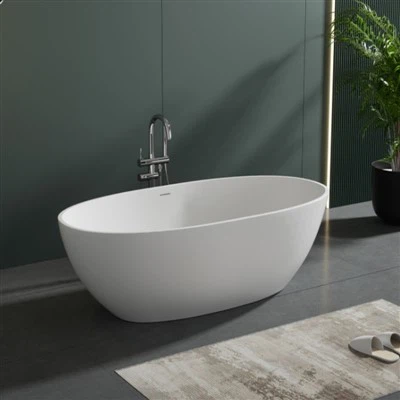
As a supplier of Cement Wash Basins, I often receive inquiries from customers about various aspects of our products. One question that comes up quite frequently is, "What is the water - holding capacity of a cement wash basin?" In this blog post, I'll delve into this topic in detail, providing you with a comprehensive understanding of the factors that influence the water - holding capacity of our cement wash basins.
Understanding the Basics of Water - Holding Capacity
The water - holding capacity of a cement wash basin refers to the maximum volume of water that the basin can hold without overflowing. This capacity is a crucial factor for customers as it determines how much water is available for daily use, such as washing hands, face, or brushing teeth.
The water - holding capacity is typically measured in liters or gallons. For example, in the metric system, a small - sized cement wash basin might have a capacity of around 5 - 10 liters, while larger ones can hold up to 20 liters or more. In the imperial system, these values would translate to approximately 1.3 - 2.6 gallons for small basins and up to 5.3 gallons or more for larger ones.
Factors Affecting the Water - Holding Capacity
Basin Size and Shape
The most obvious factor affecting the water - holding capacity is the size and shape of the cement wash basin. Larger basins, both in terms of diameter and depth, will naturally have a higher water - holding capacity. For instance, an Oval Wash Basin Concrete with a larger oval shape and greater depth can hold more water compared to a smaller, shallower one.
The shape of the basin also plays a role. Basins with a wider opening at the top and a more gradual slope towards the bottom can hold more water than those with a narrow opening or a steep slope. This is because a wider opening allows for a larger surface area of water to be contained, and a gradual slope means that more water can be accommodated before reaching the overflow point.
Basin Design and Structure
The internal design of the cement wash basin can also impact its water - holding capacity. Some basins are designed with a built - in overflow channel or a special drainage system. While these features are essential for preventing water from overflowing onto the floor, they can reduce the effective water - holding capacity of the basin.


For example, if a basin has a large overflow channel, a portion of the basin's volume is occupied by this channel, leaving less space for water. Similarly, basins with complex internal structures, such as multiple compartments or raised areas, may have a lower water - holding capacity compared to simple, smooth - walled basins.
Material Thickness
The thickness of the cement used in the construction of the wash basin can also have an impact on its water - holding capacity. Thicker walls mean that less space is available inside the basin for water. However, thicker walls can also provide greater durability and strength, which is an important consideration for long - term use.
As a supplier, we strive to find the right balance between material thickness and water - holding capacity. Our Cement Wash Basin products are designed to have an optimal wall thickness that ensures both durability and a reasonable water - holding capacity.
Measuring the Water - Holding Capacity
To accurately measure the water - holding capacity of a cement wash basin, you can use a simple method. First, place the basin on a level surface. Then, use a measuring container, such as a graduated cylinder or a large measuring jug, to slowly pour water into the basin until it reaches the overflow point. Keep track of the volume of water you have poured in. This volume is the water - holding capacity of the basin.
It's important to note that this measurement should be done under ideal conditions, with the basin completely clean and dry before starting the measurement. Also, make sure that the water is poured slowly to avoid splashing and ensure an accurate reading.
Importance of Water - Holding Capacity for Customers
The water - holding capacity of a cement wash basin is of great importance to customers. For households, a basin with an appropriate water - holding capacity ensures that there is enough water for daily hygiene activities. A basin with too little capacity may require frequent refilling, which can be inconvenient. On the other hand, a basin with an overly large capacity may take up more space in the bathroom and may not be necessary for normal use.
For commercial settings, such as hotels or public restrooms, the water - holding capacity is also crucial. In these places, a large number of people use the wash basins, so basins with a higher water - holding capacity are often preferred to reduce the frequency of refilling.
Our Product Range and Water - Holding Capacity
At our company, we offer a wide range of Concrete Bathroom Sink products, each with different water - holding capacities to meet the diverse needs of our customers. Our small - sized basins are perfect for powder rooms or small bathrooms where space is limited. These basins typically have a water - holding capacity of around 5 - 10 liters.
Our medium - sized basins, which are suitable for most standard bathrooms, have a water - holding capacity of 10 - 15 liters. These basins provide a good balance between space and water - holding capacity.
For larger bathrooms or commercial applications, we offer large - sized basins with a water - holding capacity of 15 - 20 liters or more. These basins are designed to handle high - volume use and provide ample water for multiple users.
Conclusion
In conclusion, the water - holding capacity of a cement wash basin is influenced by several factors, including size, shape, design, and material thickness. Understanding these factors can help customers choose the right basin for their needs. As a supplier, we are committed to providing high - quality cement wash basins with a range of water - holding capacities to meet the diverse requirements of our customers.
If you are interested in our cement wash basins and would like to discuss your specific needs, including the desired water - holding capacity, please feel free to contact us. We are more than happy to assist you in finding the perfect basin for your bathroom or commercial space.
References
- ASTM International. (Year). Standard test methods for properties of concrete. ASTM C39/C39M - XX.
- Building Research Establishment. (Year). Bathroom design guide. BRE Report No. XXX.
- National Kitchen and Bath Association. (Year). NKBA guidelines for bathroom fixtures. NKBA Publication No. XXX.