


A sticky bathtub faucet handle can be a real annoyance. As a trusted bathtub faucet supplier, I understand the importance of a well - functioning faucet not only for the practicality but also for the aesthetic appeal of your bathroom. In this blog, I'll share with you how to lubricate a sticky bathtub faucet handle and get it back to smooth operation.
Understanding the Problem
Before we start lubricating, it's crucial to understand why the faucet handle has become sticky. There could be several reasons. One common cause is the accumulation of mineral deposits from hard water. Over time, these deposits can build up around the moving parts of the faucet handle, causing friction and making it difficult to turn. Another reason might be the natural wear and tear of the internal components. The rubber seals, O - rings, or other small parts can degrade over time, leading to a sticky handle.
Tools and Materials You'll Need
To lubricate a sticky bathtub faucet handle, you'll need a few tools and materials. Here's a list:
- Adjustable wrench: This will be used to remove any nuts or bolts holding the handle in place.
- Screwdriver: Depending on the type of faucet, you may need a flat - head or Phillips - head screwdriver to remove the handle cover or other small parts.
- Clean cloth: To wipe away any dirt, debris, or mineral deposits.
- Lubricant: There are different types of lubricants available. Silicone - based lubricants are a great choice for bathroom fixtures as they are water - resistant and won't break down the rubber parts. Avoid using oil - based lubricants as they can attract more dirt and grime.
Step - by - Step Lubrication Process
Step 1: Turn Off the Water Supply
Before you start working on the faucet, it's essential to turn off the water supply. Locate the shut - off valves under the sink or near the bathtub. Turn these valves clockwise until they are fully closed. This will prevent any water from flowing out while you are working on the faucet.
Step 2: Remove the Faucet Handle
Most bathtub faucet handles are held in place by a screw or a nut. First, look for a small cap on the top or front of the handle. Use a flat - head screwdriver to gently pry off the cap. Underneath the cap, you'll likely find a screw. Use the appropriate screwdriver to remove the screw. If there's no screw visible, you may need to use an adjustable wrench to loosen a nut located at the base of the handle. Once the screw or nut is removed, gently pull the handle straight off the faucet stem.
Step 3: Clean the Handle and Faucet Stem
Use a clean cloth to wipe away any dirt, debris, or mineral deposits from the handle and the faucet stem. For stubborn mineral deposits, you can soak a cloth in vinegar and wrap it around the stem for about 15 - 20 minutes. The acidic nature of vinegar helps dissolve the mineral deposits. After soaking, use the cloth to scrub away the loosened deposits. Make sure the handle and stem are completely dry before proceeding.
Step 4: Apply the Lubricant
Squeeze a small amount of the silicone - based lubricant onto the moving parts of the handle, such as the inside of the handle where it attaches to the stem, and the stem itself. Use a clean cloth or a small brush to spread the lubricant evenly over the surfaces. Make sure to cover all the areas that experience friction when the handle is turned.

Step 5: Reassemble the Faucet
Once the lubricant is applied, carefully place the handle back onto the faucet stem. If you removed a screw, insert it back into place and tighten it with the screwdriver. If you removed a nut, use the adjustable wrench to tighten it. Make sure the handle is firmly attached but don't over - tighten, as this could damage the parts.
Step 6: Turn On the Water Supply
After reassembling the faucet, slowly turn on the water supply by turning the shut - off valves counterclockwise. Check for any leaks around the faucet handle. If there are no leaks, try turning the handle. It should now move smoothly.
Preventive Maintenance
To avoid a sticky faucet handle in the future, regular maintenance is key. Here are some tips:
- Clean Regularly: Wipe down the faucet handle and the surrounding area with a mild cleaner regularly. This helps prevent the buildup of dirt and mineral deposits.
- Use a Water Softener: If you have hard water, consider installing a water softener. A water softener reduces the amount of minerals in the water, which can significantly reduce the formation of mineral deposits on your faucet.
Our Product Recommendations
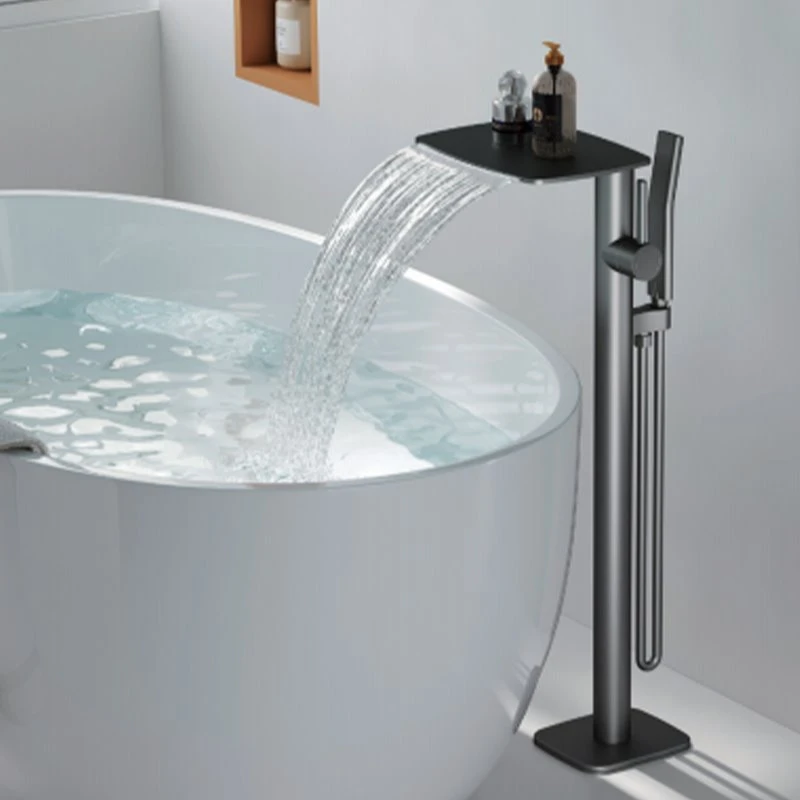
As a bathtub faucet supplier, we offer a wide range of high - quality faucets to meet your needs. Check out our Bathtub Faucet with Hand Shower for added convenience in your bathing experience. Our Bathroom Tub Faucets come in various styles and finishes to match any bathroom decor. And for a more luxurious touch, our Waterfall Bathtub Faucet is a great choice.
Contact Us for Procurement
If you're interested in purchasing our bathtub faucets or have any questions about our products, we invite you to reach out to us. Our team of experts is ready to assist you with the selection process and answer any technical queries you may have. We can offer competitive pricing and reliable after - sales service. Whether you're a homeowner looking to upgrade your bathroom or a contractor working on a large - scale project, we have the right solution for you. Start the conversation with us today and let us help you find the perfect bathtub faucet for your needs.
References
- "Bathroom Faucet Repair Guide", Home Repair Association.
- "Understanding Plumbing Systems", Plumbing Institute of America.


